Why Does Concrete Act Up?
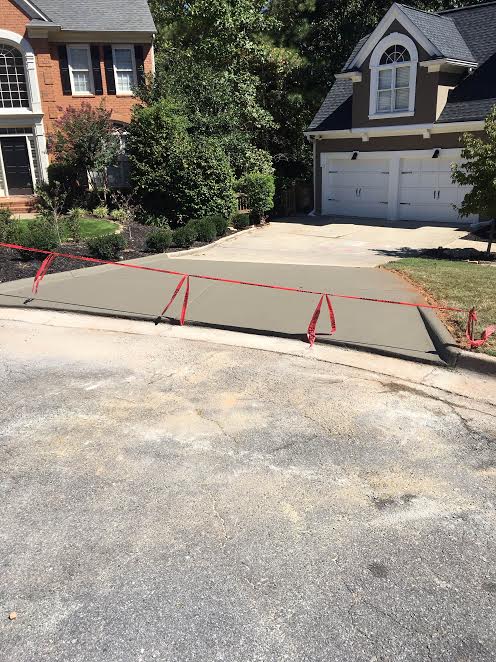
First things first, concrete isn’t invincible. Over time, soil consolidates, leading to voids under concrete slabs. Soil consolidation refers to the phenomenon in which the volume of soil already saturated with water decreases when stress is applied to it, becoming more compressed. Events like weather changes lead to erosion or shrinking of dry soils, and even heavy loads and tree roots can mess with its integrity. Understanding the underlying causes help us apply the proper fix; the soil or fill below is the problem in most cases. Thankfully, there are ways we can repair these issues without replacing your concrete and also prevent them from occurring in the future. Sealing joints is similar to sealing open cracks as it prevents water from reaching the soil under concrete. Doing this with new concrete can ensure it won’t have long-term issues.
Spotting the Usual Suspects
Here’s a quick rundown of the typical problems I encounter:
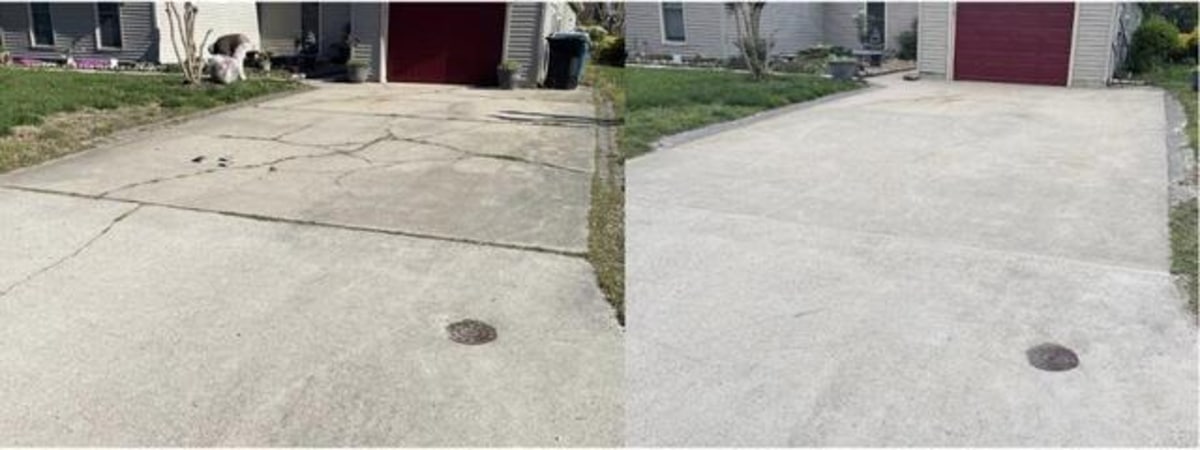
- Cracks: From hairline ones to more significant splits, cracks are a concrete staple. They can be due to settlement, temperature changes, or just plain old age. All concrete expands and contracts with temperature changes. Cracks grow in width over time due to all that movement.
- Settlement: When concrete becomes uneven and creates tripping hazards, it is called settlement. Settlement happens when the heavy concrete sinks into the voids underneath. It can happen gradually or rather quickly. When the settlement process begins to cause erosion at a particular site, it often leads to further deterioration at the same location, making it worse and worse.
- Joint Issues: If you’re seeing gaps, worn-out sealants, or rotting wood in your expansion or control joints, you’ve got a problem. Failing joints can lead to water getting in and causing more significant erosion and soil consolidation issues.
- Spalling: Have you ever noticed parts of your concrete surface chipping off? That’s spalling for you. Water infiltration and freeze-thaw cycles are usually the culprits. It starts with tons of tiny cracks and ends with gradually reducing concrete to rubble after each cycle through the seasons. It’s essential to address any type of surface damage immediately to prevent further deterioration.
Fixing It Right: Tried-and-Tested Solutions
1. NexusPro Caulking for Cracks
When it comes to cracks, flexibility is critical. The common practice of filling cracks with hard materials like grout, concrete, or epoxy is not recommended as these materials do not move with the slabs and cause re-cracking within a year. The other repair we often see is caulking smeared across the crack, which also looks terrible and hard to remove. In addition to not looking good, it does not bond well, resulting in the crack persisting. The correct repair method is to grind a small pathway for a flexible caulking to sit in the crack. While this can widen the crack slightly, it gives the caulking a seat to expand in (up to 100%) and contract (50%) with temperature changes. NexusPro caulking is designed explicitly for this concrete application and can last 20-25 years.
2. PolyLevel – Polyurethane Foam Injection
Got a moving crack or settled slab? PolyLevel, a hydrophobic polyurethane foam, can be injected to raise slabs back to the right level. The foam expands as it cures, filling spaces and providing a flexible seal. It’s like magic for your concrete! PolyLevel compresses the soil or fills under the concrete to make it solid. According to the engineers, the material won’t wash out or become brittle and should last 1000 years. Talk about peace of mind. An experienced crew of installers can lift concrete despite its age. This means that the slab you think needs to be replaced might be better off being repaired. Amazingly, this product is also environmentally friendly and recyclable if taken to a facility.
3. Sealing Joints
Sealing joints is paramount for preserving the longevity and integrity of concrete, and NexusPro caulking emerges as a premier solution in this domain. Unlike conventional caulks, NexusPro is meticulously formulated to combat UV rays, extreme temperatures, and moisture, ensuring a watertight seal that resists wear and tear. Beyond its functional benefits, it enhances the aesthetic appeal of concrete surfaces with its clean finish. The application process involves thorough cleaning of joints followed by even application and tooling for a seamless finish. Like sealing open cracks, sealing joints prevent water from getting to the soil beneath the concrete. Doing this with new concrete is one way to ensure that concrete doesn’t have long-term issues with settlement.
4. Sealing The Concrete’s Surface
Sealing the surface of concrete is crucial for a myriad of reasons, primarily to enhance its durability and aesthetic appeal while offering protection against external elements. For broom-finished concrete, often chosen for its slip-resistant surface ideal for driveways and walkways, sealing becomes imperative to safeguard against stains, moisture penetration, the emergence of spider cracks due to environmental stresses, and the gradual wear from vehicular movement or regular foot traffic. We recommend SealantPro for broom-finished concrete, a permanent penetrating sealer that never has to be reapplied. For stamped concrete, which boasts intricate patterns and designs, sealing accentuates its visual intricacies and guards against color-fading and wear from traffic. In the case of exposed aggregate concrete, which reveals the natural beauty of stones and pebbles, sealing provides a protective barrier against erosion, ensuring that the aggregate remains intact and the surface retains its textured charm over time.
A Little TLC Goes a Long Way
Look, prevention is always better than the cure. Here are a few tips from a contractor’s playbook:
- Keep an eye on your concrete. Regular inspections can catch minor issues before they become big headaches. Calling an expert for a free inspection will help you understand what is causing the problem.
- Pay attention to the signs. Whether it’s a small crack in your walkway or a slight drop in your driveway, address it sooner rather than later. These things do not get better with time.
- Good drainage is critical. Maintaining soil grade around your concrete so water runs away will help tremendously. Anywhere that water can get trapped under your slabs will cause the soil to weaken, leading to erosion and soil consolidation.
Contact Atlanta Paving Solutions Today for all of your Atlanta Concrete Repair needs. Serving all of metro Atlanta.