A properly designed, installed, and maintained asphalt driveway can serve a home for up to about 20 years, according to the Asphalt Institute. The actual lifespan depends on the driveway’s base, drainage, traffic, and upkeep. At Atlanta Paving Solutions, we look at those conditions when assessing whether a driveway needs a repair, resurfacing, or replacement.
What affects how long an asphalt driveway lasts?
The asphalt surface is only one part of the driveway. Beneath it, a compacted base supports the pavement and helps distribute vehicle weight. If the base shifts, stays wet, or wasn’t prepared for the site, the surface can crack or settle sooner than expected.
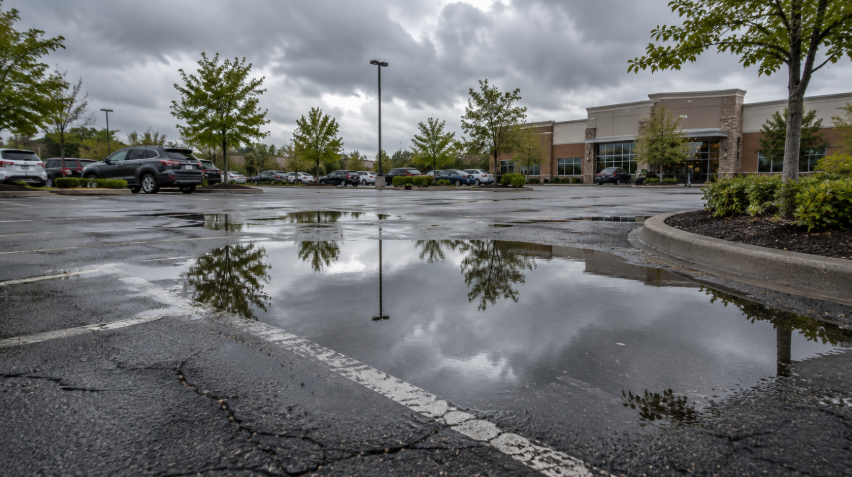
Drainage matters just as much. Water that runs across and away from the driveway is less concerning than water that collects in low spots or seeps through cracks. In Metro Atlanta, local soil and drainage conditions can affect how well the ground beneath pavement holds up. Our asphalt paving and repair information explains why grading and base preparation matter to pavement performance.
Daily use also plays a role. A driveway that mostly handles passenger cars faces different demands than one that regularly supports delivery trucks, trailers, or heavy work vehicles. Repeated turning or parking in the same spot can put extra stress on one area.
Signs your driveway may be wearing out
Some surface aging is normal. Asphalt can fade from black to gray as it ages, and a few small cracks don’t automatically mean the whole driveway has failed. Watch for changes in the pattern or severity of the damage:
- Cracks that keep widening or spreading across the surface
- Potholes or areas where patches repeatedly fail
- Depressions where water collects after rain
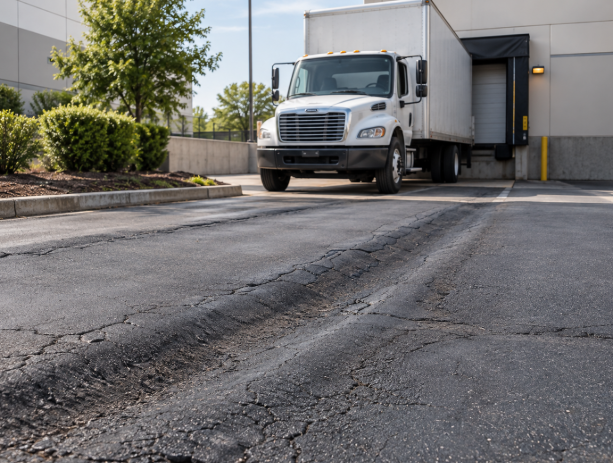
- Rutting or uneven spots in vehicle paths
- Crumbling edges or asphalt that’s breaking apart
These signs can point to different problems. A small crack may need prompt attention to keep water from entering the pavement. A low area with surrounding cracks or recurring potholes may indicate that the supporting base has weakened. The cause matters because a surface patch won’t correct movement underneath the asphalt.
Can maintenance extend an asphalt driveway’s life?
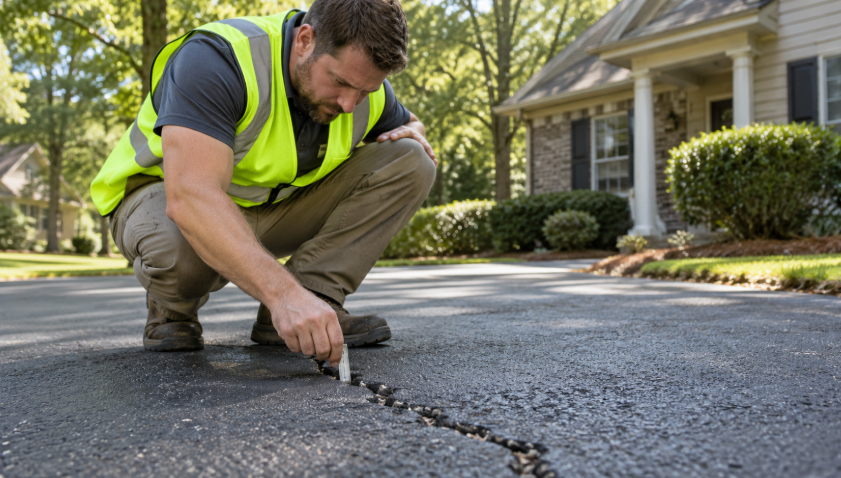
Yes, routine care can reduce avoidable wear. Keep an eye on cracks and standing water, and address small problems before they spread. If the driveway stays wet in the same area after rain, note where water collects and whether the surrounding pavement looks sunken or cracked.
Sealcoating can protect the surface and refresh its appearance, but timing matters. The Asphalt Institute says a new, well-constructed low-traffic pavement generally shouldn’t need sealcoating for about two to five years, depending on the original work and climate. After that, sealing can be useful when the asphalt starts to look dry or brittle, or when small cracks and surface voids appear. It won’t fix a failed base or repair significant structural damage.
The right schedule depends on the driveway’s condition, not just its age. For more on available pavement care, see our asphalt and concrete services.
Repair, resurface, or replace?
A driveway doesn’t always need full replacement when it starts to show wear. Localized damage may be repairable if the surrounding pavement and base remain stable. That might include a crack, a pothole, or a confined section that has settled.
Resurfacing may suit a driveway with widespread surface wear when the underlying structure remains sound. A new surface can’t solve a failing base, so a contractor should assess what’s happening below the visible asphalt before recommending an overlay.
Replacement becomes more likely when damage covers large areas, repairs keep failing in the same places, or sections have settled and broken apart. If the driveway has a mix of conditions, an evaluation can identify whether some sections can stay while others need more extensive work.
Age gives you a useful reference point, but it doesn’t make the decision by itself. A driveway nearing 20 years may still have usable sections, while a younger one with poor drainage or base problems may need attention sooner.
What to do if you’re unsure
Take a few photos of cracks, potholes, and low spots, especially after rain. Note whether damage appears in one area or across most of the driveway, and whether water drains away or lingers. Those details help distinguish surface wear from a deeper support or drainage issue.
If you’re weighing repair against replacement, our team at Atlanta Paving Solutions can review the driveway and discuss the work it needs. Contact us to request an estimate for your property in Metro Atlanta or the surrounding service area.