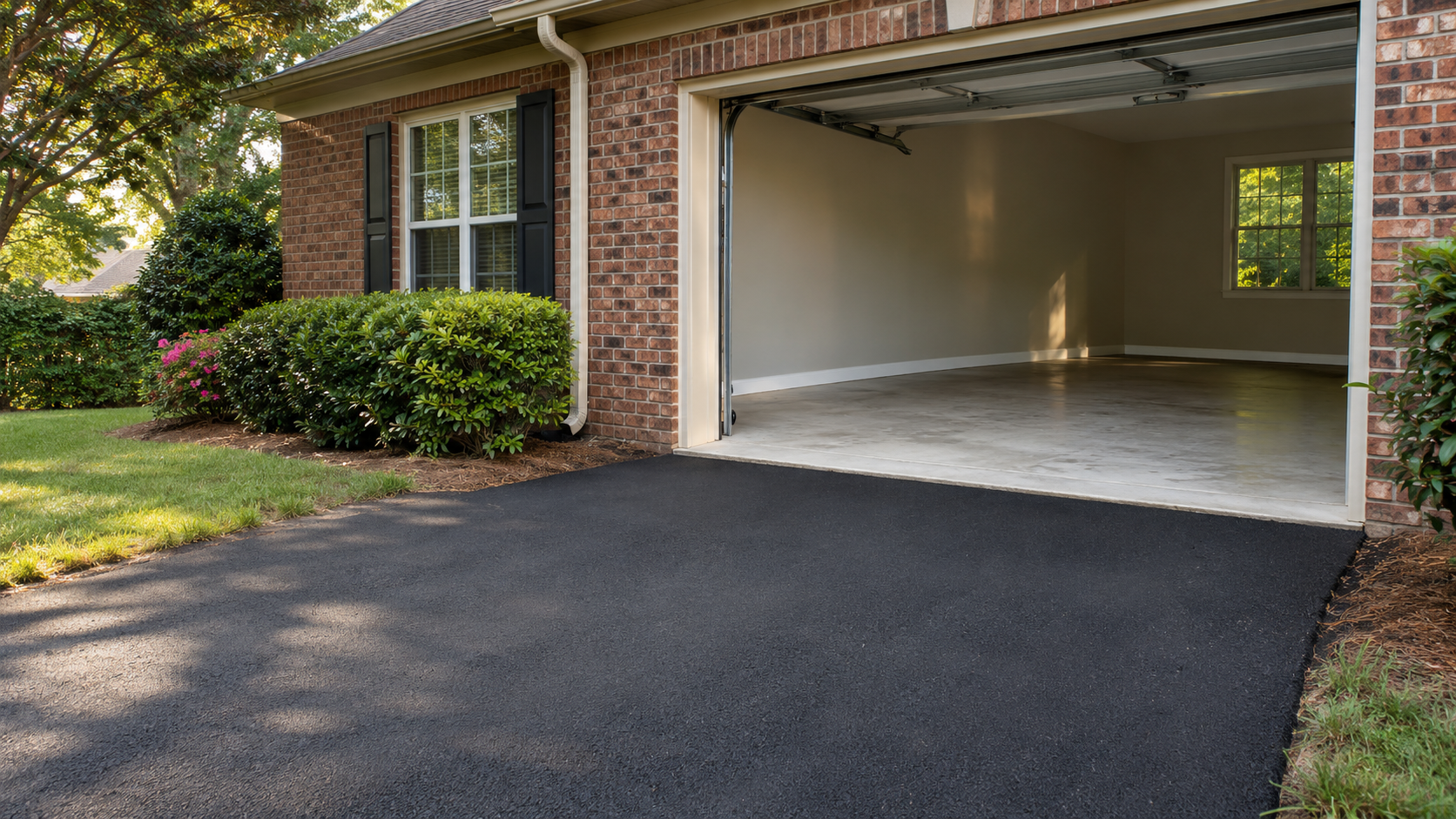
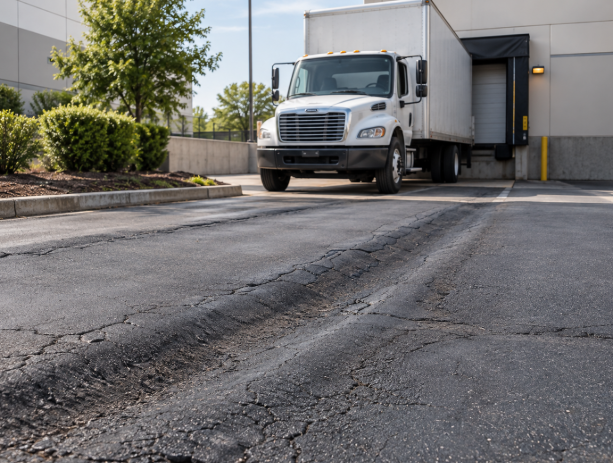
Apartment parking lot resurfacing doesn’t always require a full closure. If residents can reach open parking and their buildings without crossing the work area, the contractor may be able to resurface one section at a time. A lot with a single entrance or a shared drive aisle can be harder to divide. At Atlanta Paving Solutions, we look at how people use the property and what the pavement needs before recommending a scope of work.
When apartment parking lot resurfacing can happen in sections
A property with several parking areas and more than one way in usually gives a paving crew more options. One lot can close while another stays open, provided the open lot still has a usable route to the buildings it serves. Once the first area is ready for traffic, it can reopen and the crew can move to another part of the property.
The number of open spaces matters most when residents actually need them. A section that looks nearly empty during a late-morning site visit may fill up after dinner. If the remaining stalls are assigned, reserved for visitors, or already in regular use, they may leave little room for residents who need to move their cars. That’s one reason a property can have enough room for the crew to pave in sections and still have limited flexibility about when each section can close.
Some layouts look easier to divide on paper than they are in person. Two rows of parking might share a narrow aisle where cars need room to back out. Keeping one row open does little good if residents can’t exit their spaces without entering the work area. A site visit makes that constraint easier to spot before it becomes part of the schedule.
Why a single entrance can change the answer
An apartment community might have several separate parking areas that all feed into the same entrance. The crew may be able to work on each lot independently, but resurfacing the entrance itself can still require a brief interruption to vehicle access. The same issue comes up when the work crosses a drive aisle that serves every building behind it.
What sounds like a full closure can mean different things in an estimate. It might mean residents need to clear every stall while the crew works, or it might mean cars can’t use a particular entrance for part of the day. Those are different disruptions for someone who leaves early for work or returns after the leasing office closes. If the proposal calls for a closure, find out exactly when residents will lose vehicle access and which parts of the property they can still reach.
Open parking only works if residents can get where they need to go
A space on the other side of the property may work for one resident and be unusable for another. If resurfacing closes the stalls beside a curb ramp, the remaining parking also needs a usable route to the relevant entrance. An open space doesn’t solve the access problem if the path to the building ends at a curb or crosses an active work zone.
For parts of a property covered by the ADA, such as a leasing office open to the public, the U.S. Department of Justice’s accessible parking guidance explains how accessible spaces, access aisles, and routes to entrances work together. Which requirements apply depends on the area and its use. For the resurfacing discussion, the practical question is what accessible parking and routes will be available while the usual ones are out of service.
The lot also serves vehicles that don’t park in resident stalls. A garbage truck may need the same turning area the crew needs for equipment. A delivery driver might normally use the only entrance that stays open during the work. These constraints are worth discussing at the site visit because they can affect which areas can close at the same time.
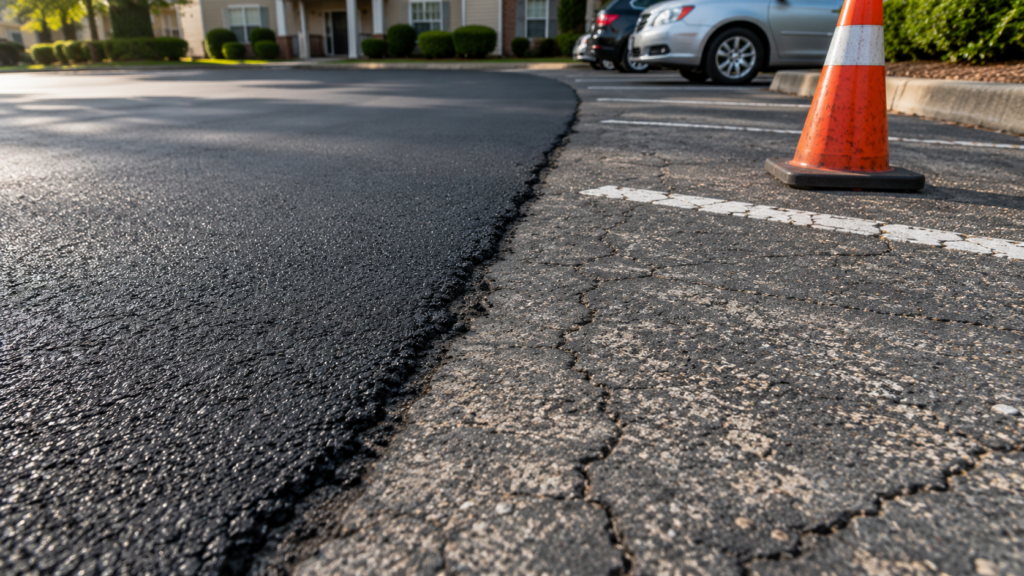
The condition of the lot affects how long areas stay closed
Resurfacing adds a new asphalt surface over pavement that still has a sound supporting base. If one area has recurring potholes or has sunk under heavy traffic, it may need a deeper repair before the overlay goes down. That adds work in the affected area and can change when it’s ready to reopen.
For example, the stalls near a building may need only resurfacing, while the approach to the trash enclosure needs asphalt and base repairs. If both areas share one drive aisle, the heavier repair can affect access to stalls well beyond the damaged pavement. Our commercial asphalt paving and repair services include resurfacing, milling, and patching. The pavement and the way traffic moves across it determine which work belongs in the estimate.
It’s also worth asking what the contractor means by “reopens.” The crew may finish placing asphalt before it’s ready for cars, and a newly paved area may still need striping before residents can use it for parking. Heavy vehicles may have to wait longer than passenger cars. Ask for the expected reopening window for your property and whether weather could shift it.
What a site evaluation should clarify before you approve the work
A written estimate should make clear which pavement needs work and where the contractor expects to limit access. If there’s a choice between working in sections and closing a larger area for a shorter period, ask what changes for residents under each option. On a property with room to spare, working in sections may keep enough spaces in use throughout the project. Where parking is already tight, several smaller closures can mean residents have to move their cars more than once.
Our parking lot repair and maintenance service starts with a look at the lot’s condition, including how it drains and where the pavement is failing. If the property has a single gate, a heavily used overnight lot, or accessible stalls clustered near one entrance, bring that up during the visit. It gives us a better picture of how the proposed work would affect the people who live there.
If you manage an apartment community in Metro Atlanta and are considering resurfacing, request a parking lot estimate from our team. Before you commit to a paving date, you should know which spaces residents will lose, how they’ll reach their buildings, and when they can use the newly paved area again.